
Veterinary Quarantine Procedures for Importing Frozen Meat into Vietnam: Complete Guide
Importing frozen meat into Vietnam—such as beef, pork, poultry, and lamb—requires compliance with strict food safety regulations and disease-control protocols. Because animal products carry high biosecurity risks, the Vietnamese government enforces multi-tier veterinary inspection measures.
The Department of Animal Health (DAH), operating under the Ministry of Agriculture and Rural Development (MARD), governs the entire inspection process. Here is your step-by-step guide to legal prerequisites, quarantine registration, border sampling, and customs clearance for importing frozen meat into Vietnam.
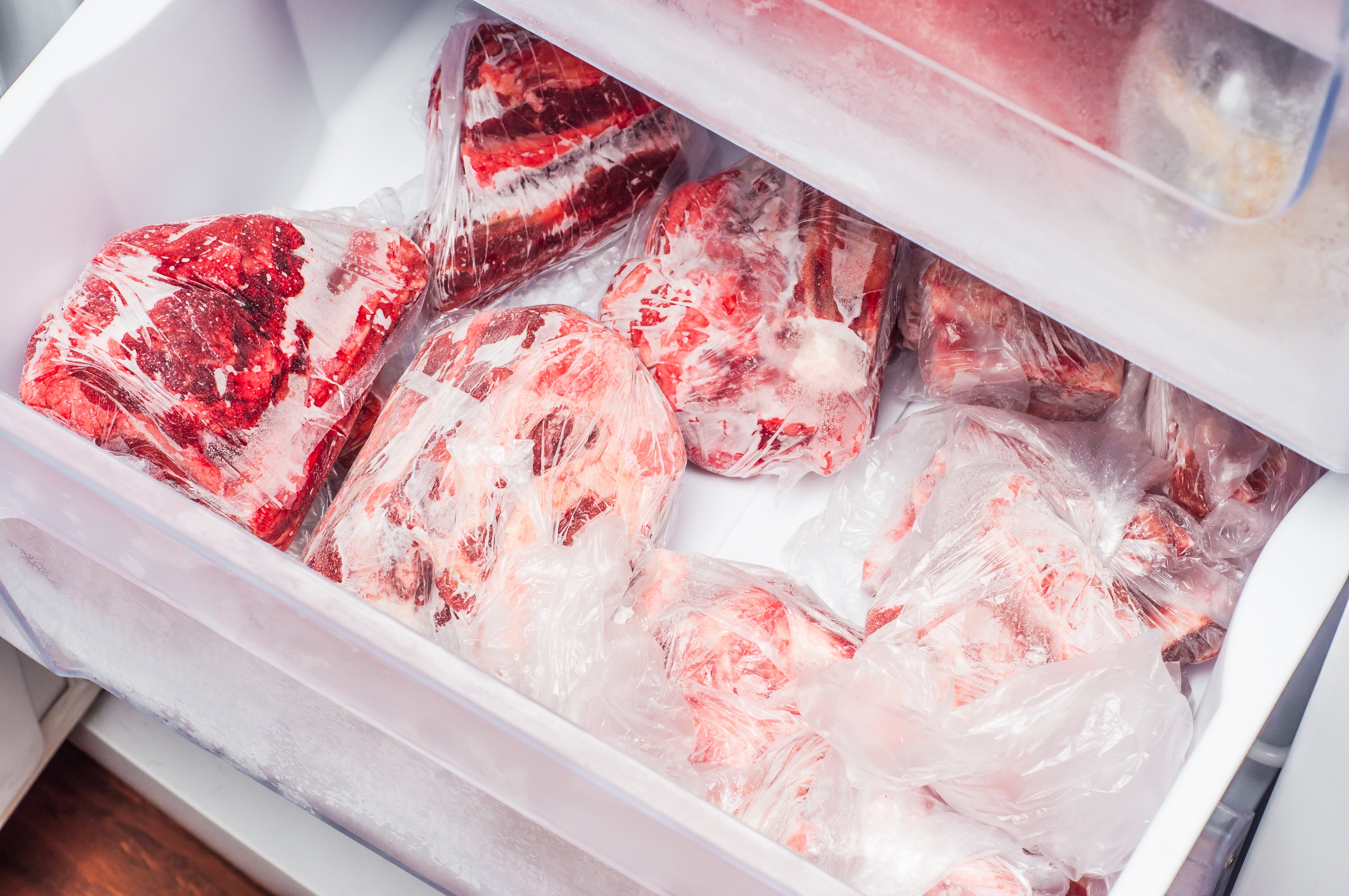
1. Legal Pre-requisites Before Importing Frozen Meat
Before signing an international sales contract or loading refrigerated containers (reefer containers), importers must verify two statutory requirements:
Approved Country and Foreign Slaughterhouse/Processing Facility
Vietnam allows frozen meat imports only from countries and processing plants that have established bilateral veterinary sanitary protocols with MARD.
-
The foreign slaughterhouse, processing plant, and cold storage facility must appear on the official list approved by Vietnam’s Department of Animal Health.
-
If a foreign facility is not listed, customs and veterinary authorities will reject the shipment immediately upon port arrival.
Import Quarantine License (Animal Quarantine Permit)
Before the cargo departs the port of loading, the Vietnamese importer must apply for and secure an official Import Quarantine License issued by the Department of Animal Health via the Vietnam National Single Window (VNSW) system.
2. Key Regulatory Framework
The import of frozen animal products into Vietnam is governed by the following core legal instruments:
-
Law on Veterinary Medicine No. 79/2015/QH13.
-
Circular No. 25/2016/TT-BNNPTNT (amended and supplemented by Circular No. 35/2018/TT-BNNPTNT and Circular No. 09/2022/TT-BNNPTNT): Specifying quarantine procedures for terrestrial animals and animal products.
-
Law on Food Safety No. 55/2010/QH12 and Decree No. 15/2018/ND-CP: Detailing state inspection of food safety for imported terrestrial animal products.
3. Required Document Dossier
To execute veterinary quarantine and customs clearance smoothly, the importer must prepare:
-
Official Veterinary Health Certificate (Original): Issued by the competent veterinary authority of the exporting country (e.g., USDA-FSIS, DAFF Australia, MPI New Zealand). The certificate must match the agreed bilateral template.
-
Import Quarantine License: Issued in advance by the DAH.
-
Commercial Invoice & Packing List: Detailing manufacturing dates, expiration dates, batch numbers, and net weights.
-
Ocean Bill of Lading (B/L) / Air Waybill (AWB): Reflecting refrigerated transport conditions (e.g., set at -18°C or lower).
-
Certificate of Origin (C/O): To claim preferential tariff treatment where applicable (e.g., EVFTA, CPTPP, AANZFTA).
-
Vietnamese Supplementary Label Draft: Including importer details, product name, origin, shelf life, and storage conditions.
4. Step-by-Step Veterinary Quarantine Process
Step 1: Pre-shipment Registration on the National Single Window
-
The importer submits the application online via
vnsw.gov.vnto request import approval from the Department of Animal Health. -
Processing time typically ranges from 3 to 5 working days.
Step 2: Quarantine and Food Safety Declaration
-
As soon as the vessel sails and shipping documents are released, the importer creates an official declaration on the VNSW portal to register with the relevant Regional Animal Health Office (e.g., Regional Office II for Hai Phong, Regional Office VI for Ho Chi Minh City).
-
The dossier includes the draft declaration, scan of the original foreign health certificate, invoice, and bill of lading.
Step 3: Customs Declaration Registration
-
Using the registration reference number from the VNSW portal, the customs broker submits an electronic import declaration via the VNACCS/VCIS system.
-
Customs flags the shipment as subject to specialized inspection, permitting container movement to a designated bonded cold storage facility or offloading at the terminal inspection yard.
Step 4: Physical Inspection and Sample Collection
-
Upon container arrival at the port (such as Cat Lai, Hai Phong, or SP-ITC), the importer coordinates with the port authority and veterinary quarantine officers.
-
Officers check container temperature logs, inspect seals, examine packaging integrity, and verify carton labels (product name, factory registration number, production and expiry dates).
-
Representative physical samples are taken for laboratory testing (evaluating indicators such as Salmonella, E. coli, heavy metal residues, and veterinary drug residues).
Step 5: Laboratory Results and Final Release
-
Lab testing takes approximately 2 to 4 working days.
-
Once the laboratory confirms that all parameters meet Vietnamese food safety and animal health standards, the Regional Animal Health Office issues the Certificate of Veterinary Quarantine and Food Safety for Imported Animal Products.
-
The certificate updates automatically on the National Single Window, allowing Vietnam Customs to clear the shipment for unrestricted domestic distribution.
5. Critical Inspection Criteria for Frozen Meat
| Category | Inspection Standards |
| Storage Temperature | Must be maintained continuously at -18°C or colder throughout ocean voyage and port dwell |
| Labeling | Inner and outer packaging must state approved establishment number, packing date, and expiry |
| Microbiological Limits | Strict limits on pathogens including Salmonella, Listeria monocytogenes, and E. coli |
| Chemical Residues | Zero tolerance or strict maximum residue limits (MRLs) for growth promoters (e.g., Ractopamine) and antibiotics |
| Shelf Life | Meat must possess sufficient remaining shelf life at the time of arrival |
6. Key Pitfalls to Avoid
-
Establishment Approval Oversight: Ensure the foreign slaughtering and cutting plant is actively listed on the DAH portal at the time of export. If a plant’s registration lapsed during transit, the cargo will be denied entry.
-
Mismatched Certificate Details: Any variance in net weight, container numbers, seal numbers, or product descriptions between the foreign health certificate and the commercial invoice will halt clearance.
-
Demurrage and Detention Costs: Reefer containers incur high plug-in electricity fees and container detention charges at Vietnamese ports. Importers should request at least 14 to 21 free plug-in/demurrage days from shipping lines.
Read more:
Gửi Hàng Cá Nhân Từ Việt Nam Đi New Zealand Cần Những Giấy Tờ Gì?
Chuyển phát nhanh hàng hóa bưu kiện thư tín sang Nga
